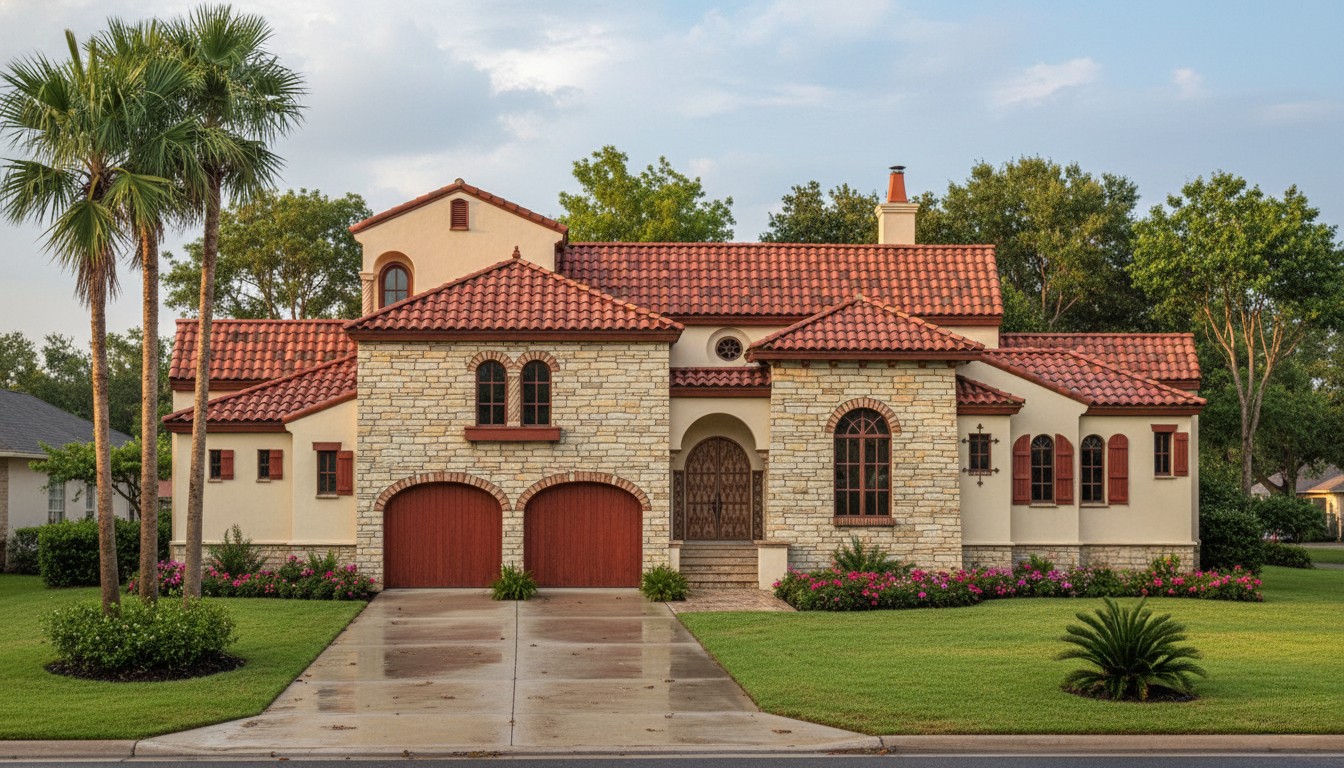
<h2>Tuscan House Style: Timeless Warmth from the Italian Countryside</h2><h2>Overview</h2>
<p>The Tuscan house style brings the rustic charm and enduring elegance of Italy’s Tuscany region to homes around the world. Rooted in centuries-old Etruscan and Roman farmhouses and villas, this style is known for practical design, natural materials, and an inviting atmosphere. Today, Tuscan-inspired homes are popular in Mediterranean climates, American wine country, and anywhere homeowners seek a blend of comfort and tradition.</p><h2>History and Origins</h2>
<p>Tuscan architecture traces its roots to the Etruscan and Roman eras, with homes built to withstand the region’s hot summers. Early builders relied on local materials—thick stone walls, terracotta roof tiles, and timber beams—chosen for their durability, temperature regulation, and natural integration with the landscape. Over time, these practical farmhouses inspired grander villas and, eventually, homes worldwide. In the late 19th and early 20th centuries, American architects helped spark a Mediterranean Revival, bringing Tuscan elements to places like California, Florida, and Arizona, where the climate and landscape are similar to Tuscany.</p><h2>Defining Features</h2>
<ul>
<li><strong>Exterior Materials:</strong> Tuscan homes are built to blend in, not stand out—using limestone, sandstone, and terracotta that echo the sun-baked hills of Tuscany. Their earthy colors, like ochre and olive green, are inspired by the landscape itself.</li>
<li><strong>Roofing:</strong> The iconic terracotta roof tiles aren’t just for looks. Their curved shape helps shed rain and keep homes cool, while their rich, sunbaked color gives every villa its classic silhouette.</li>
<li><strong>Architectural Details:</strong> Arched windows and doorways, wooden shutters, and wrought iron accents add character and timeless appeal.</li>
<li><strong>Outdoor Spaces:</strong> Courtyards, balconies, and loggias encourage indoor-outdoor living and gatherings.</li>
<li><strong>Interiors:</strong> Inside, you’ll find textured plaster walls, exposed wooden beams, and stone or terracotta floors—details that create a rustic yet elegant atmosphere. Arched doorways and wrought iron accents add a touch of old-world romance.</li>
</ul><h2>Unique Construction Methods</h2>
<p>Tuscan homes are a masterclass in blending tradition with ingenuity. Builders in Tuscany didn’t just use local stone and terracotta for looks—they engineered homes to thrive in the region’s dramatic climate. Thick stone walls act as natural insulators, keeping interiors cool during scorching summers and cozy in the winter. Terracotta roof tiles, hand-shaped and sun-baked, shed rain and reflect the golden Italian sun, while exposed timber beams add both rustic beauty and structural strength.</p><p>But the magic doesn’t stop there. Many Tuscan homes feature vaulted ceilings and arched passageways, not just for elegance, but to channel breezes and create a sense of spaciousness. Courtyards and loggias are strategically placed to invite in light and fresh air, turning every home into a living, breathing part of the landscape. These time-tested methods prove that Tuscan architecture isn’t just about style—it’s about crafting spaces that are as resilient and welcoming as the countryside itself.</p><h2>Notable Examples</h2>
<p>Many original Tuscan villas and farmhouses have been preserved or adapted for modern living. The Castello delle Quattro Torra in Siena, a 14th-century castle, is one example that showcases the enduring appeal of Tuscan architecture. In the US, Castello di Amorosa in Napa Valley replicates a medieval Tuscan castle, demonstrating the style’s influence abroad.</p><h2>Revival and Modern Popularity</h2>
<p>The Tuscan style saw a resurgence in the United States during the Mediterranean Revival period. Today, it remains a favorite for luxury homes, vineyard estates, and anyone seeking a home that feels both dignified and welcoming.</p><h2>Interesting Facts</h2>
<ul>
<li>Outdoor living is a way of life in Tuscany. Courtyards, loggias, and terraces are designed for long meals, laughter, and relaxation under the open sky. Wrought iron gates, bubbling fountains, and lush gardens turn every home into a private retreat.</li>
<li>While Tuscan style is rooted in ancient Roman and Renaissance traditions, it’s gone global—especially in places like California and Florida, where the climate and love of outdoor living are a perfect match.</li>
<li>Tuscan homes are more than just beautiful—they’re a celebration of nature, history, and the art of living well.</li>
</ul><h2>Summary</h2>
<p>The Tuscan house style is more than a design trend—it’s an invitation to slow down and savor life’s simple pleasures. Whether you’re sipping wine in a sun-drenched courtyard or gathering with friends beneath timbered ceilings, every detail is crafted to foster warmth, connection, and a sense of belonging. In a world that moves quickly, Tuscan homes remind us that true elegance is found in authenticity, comfort, and the enduring beauty of nature. Embracing this style means bringing a piece of the Italian countryside into your everyday life—where every day feels like a celebration of home.</p>
How Our Plans Are Organized
Our plans are organized first by a Main Category (American, British, French, etc), and secondly by a Sub Style (Cape Code, Acadian, Low Country, etc).
You may use the filter tools on the Plan Search Page to narrow down your selections based on your preferred home style. Take note, that most plans can have their exterior elevations modified to a style of your choosing.